

A year of Talent Talks: Building a community, sharing ideas and keeping the conversation going
A year ago, we tried something a little different. Talent Talks was born.
The idea was simple: bring together a small group of people working in and around Talent Acquisition, give them an interesting topic to get their teeth into, introduce some people worth meeting, and create the space for genuine conversation.
One year, four sessions and a whole host of brilliant conversations later, it’s fair to say the idea has grown into something we’re really proud of. But as we look back over the last year, we’re just as interested in what you’ve told us as we are in the topics we’ve covered. What’s been valuable? What would you like to see more of? And how can we make Talent Talks even better?
Here’s what we’ve heard so far.
Four sessions, four different conversations
We’ve covered a lot of ground over the last year, with each session bringing a different perspective to the challenges and opportunities facing Talent teams.
We kicked things off with The Relationship Economy: Why Connection is Your Competitive Edge, exploring the importance of relationships across the recruitment process. With perspectives from Stuart Aird from Encompass, Nicola Plenderleith from Leyton and Sarah McGiffen. The conversation covered nurturing talent pools and long-term candidate engagement, building stakeholder relationships and influencing hiring decisions, and how feedback, or the lack of it, can affect reputation and retention.
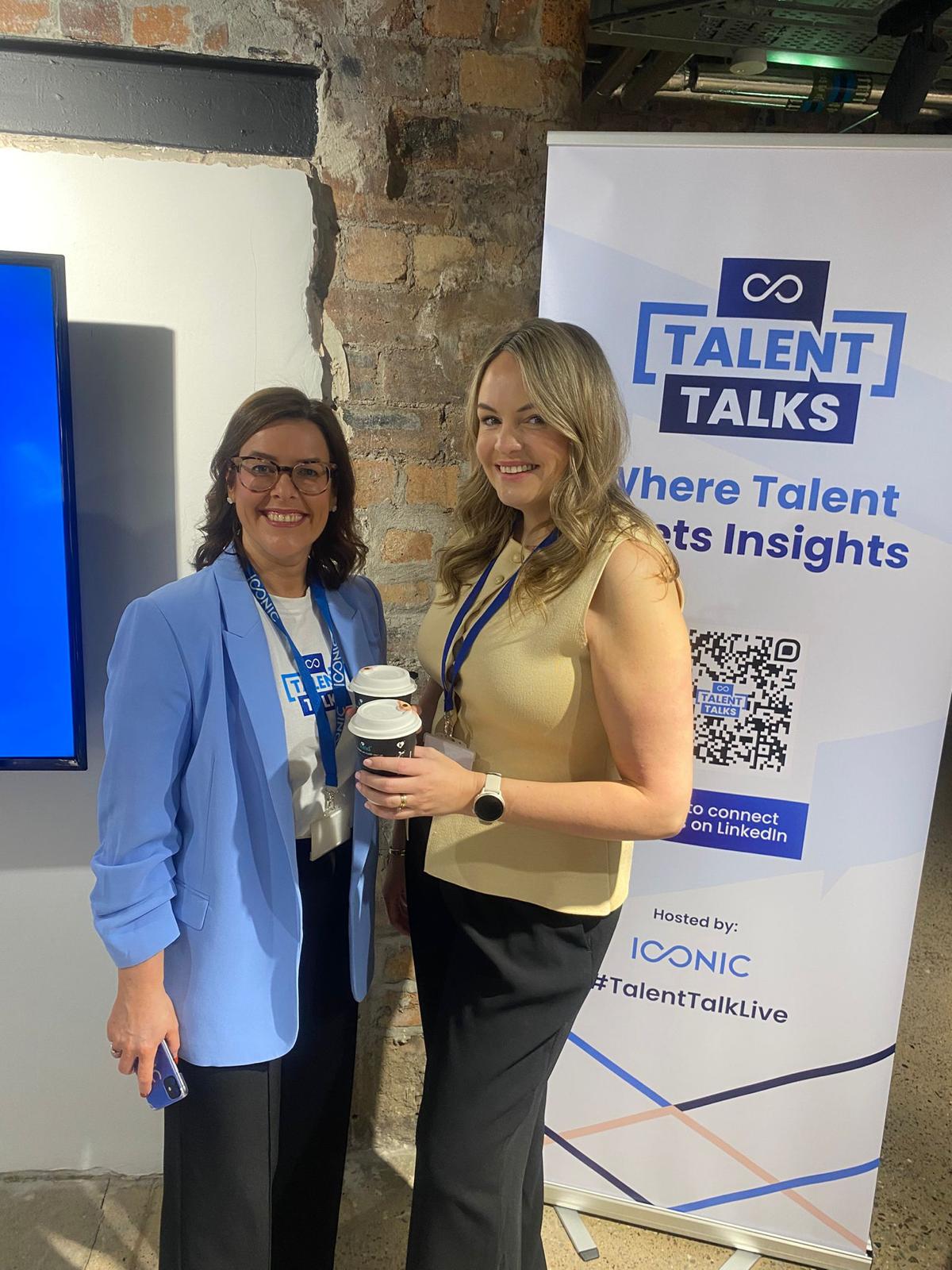
Our second session, Elevating Talent: From TA Transformation to Skills Based Hiring, brought together Lindsay Winter from Avidity and Emma Whyte to explore how Talent teams are evolving and what skills-based hiring really looks like in practice. Hearing from people at different stages of their Talent journeys gave us an insight into how transformation looks across different organisations, the challenges involved and what it takes to move from talking about change to putting it into practice.
We then brought two functions together for Marketing & TA: Building the Best Employer Brand, with Bernadette Johnston from Gleneagles and Yvette Wilkie from Flourish Marketing sharing their perspectives on the relationship between Talent Acquisition, Marketing and employer brand. The feedback highlighted how much people valued the real-world examples, honest experiences and opportunity to hear from someone outside a traditional Talent Acquisition background.
Most recently, we tackled a topic that’s difficult to avoid right now: AI in Talent Acquisition: What We’ve Learned So Far, with Adam Gordon from PoetryHR and Euan McNair from Aegon UK helping explore where AI is being used in practice, where it isn’t, and the considerations that come with introducing it into Talent Acquisition. Despite some understandable AI fatigue, the feedback showed that there’s still a real appetite to understand what AI means in practice. Attendees described this as one of our most useful sessions so far, a good reminder that the right conversation, with the right people in the room, can make even a familiar topic feel worthwhile.
Across all four sessions, we’ve welcomed people with different experiences, responsibilities and perspectives. And that’s an important part of what we’re trying to create: not one organisation telling everyone else how it’s done, but a space to compare notes, challenge assumptions and learn from one another.
So, what have you told us is working?
The most encouraging part of the feedback hasn’t necessarily been about the individual topics. It’s been about the room itself.
Again and again, you’ve told us that you value the opportunity to meet other people working in Talent Acquisition, hear different perspectives and have conversations that feel relevant to the challenges you’re dealing with day to day.
You’ve highlighted the value of understanding how other organisations approach similar problems, sharing experiences in an informal setting and hearing from people at different stages of their Talent careers. There’s something particularly useful about realising that the challenges you’re facing aren’t unique to your organisation, and that someone else around the table might have an idea, experience or perspective that helps.
You’ve also told us that smaller groups matter.
It would be easy to assume that the natural next step is to make Talent Talks bigger. But your feedback suggests that the relatively small group is part of what makes it work.
It creates an environment where people feel comfortable contributing, asking questions and being honest about what’s happening in their organisations. We want to protect that. Growth is welcome, but not at the expense of the conversations that make these sessions valuable in the first place.
And then there’s the timing.
Morning sessions have been the clear favourite. Starting the day with good coffee (thanks to David at One Café!), interesting people and a conversation that makes you think has proved a popular combination. It gives people the opportunity to connect without sacrificing an evening or half a working day, although we know an occasional after-work session could still have its place.
The message we’re taking away? Keep it informal, keep it relevant, bring together a good mix of people and give them a reason to talk to one another.
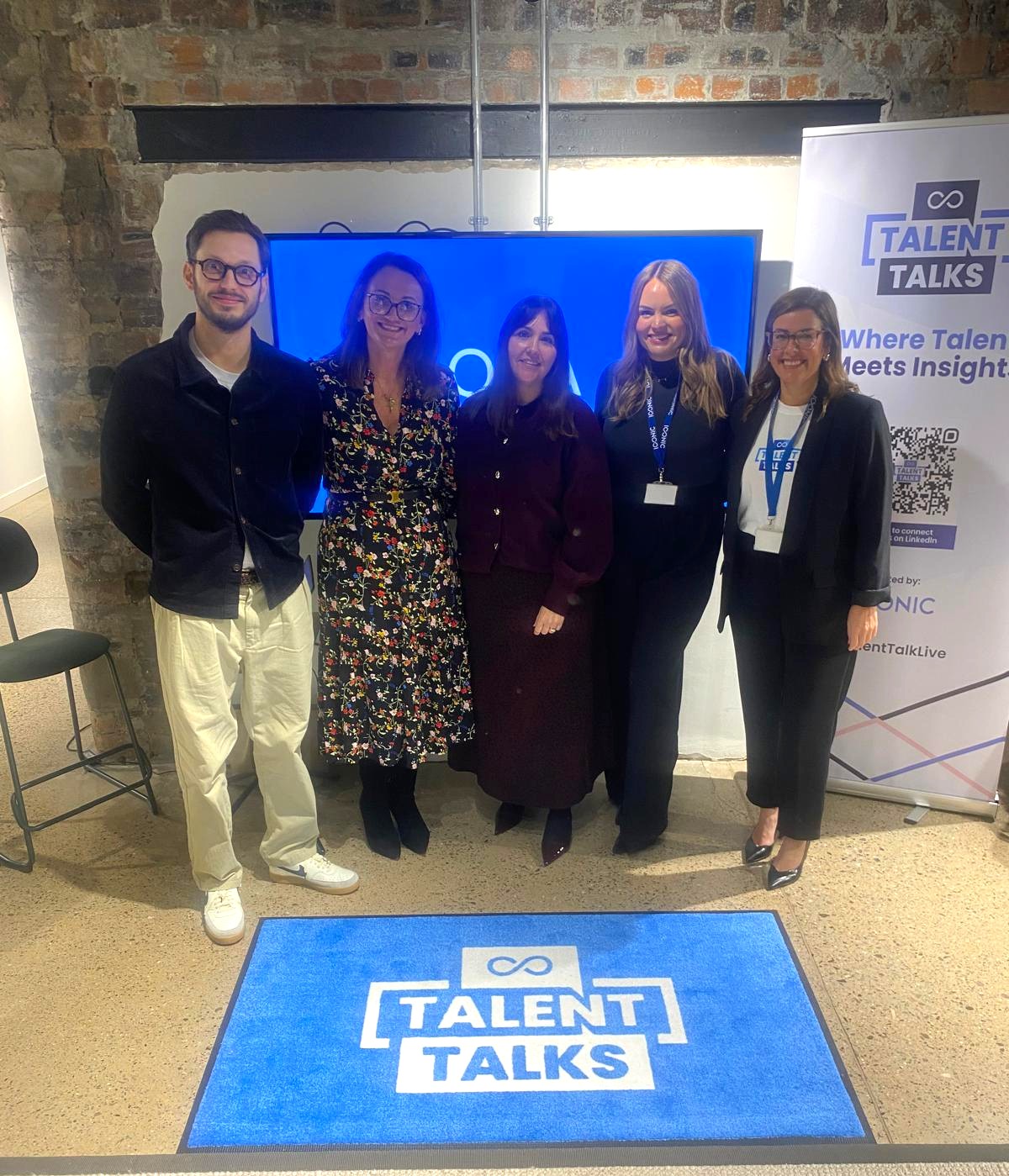
What else have we heard, and what are we thinking about?
The feedback hasn’t all been “don’t change a thing”, and that’s exactly what we want.
One of the clearest themes has been more time to network. We know people often need to head straight back to the day job after a session, and you’ve told us you’d welcome more time to connect with others and continue the conversations.
There’s also an appetite for making sessions more interactive, whether that’s through breakout discussions, smaller problem-solving groups or bringing a real-life organisational challenge to the room for others to tackle. Because while external speakers bring valuable expertise and experience, there’s an enormous amount of knowledge already sitting around the table. We want to create more opportunities to share what’s happening in your own organisations, what’s working, what isn’t and what you’re learning along the way.
Talent Talks shouldn’t just be about learning from the people at the front of the room. It’s about what we can learn from everyone around the table.
These are some of the ideas we’re keen to explore as we shape future sessions. We don’t have every answer yet, but we’re listening to what you’ve told us and thinking about how we can put it into practice to make Talent Talks even more valuable.
What’s next for Talent Talks?
If the last year has taught us anything, it’s that there’s a real appetite for honest, relevant and informal conversations within the Talent community. So, we’re going to keep listening, keep experimenting and keep evolving the format in response to what you tell us.
That might mean more case studies, more discussion, smaller breakout groups, different voices and a broader mix of organisation sizes and sectors. Perhaps the occasional evening session or a change of location, too.
There are a few things, however, that we’d like to keep firmly in place:
No sales presentations.
No overly polished “everything is brilliant” case studies.
No huge conference rooms.
And no sitting quietly while someone talks at you for an hour.
Just good people, good conversations and topics that actually matter to Talent teams.
Most importantly, Talent Talks isn’t something we want to shape in isolation. Your feedback, suggestions and willingness to share your experiences are what will help us get it right.
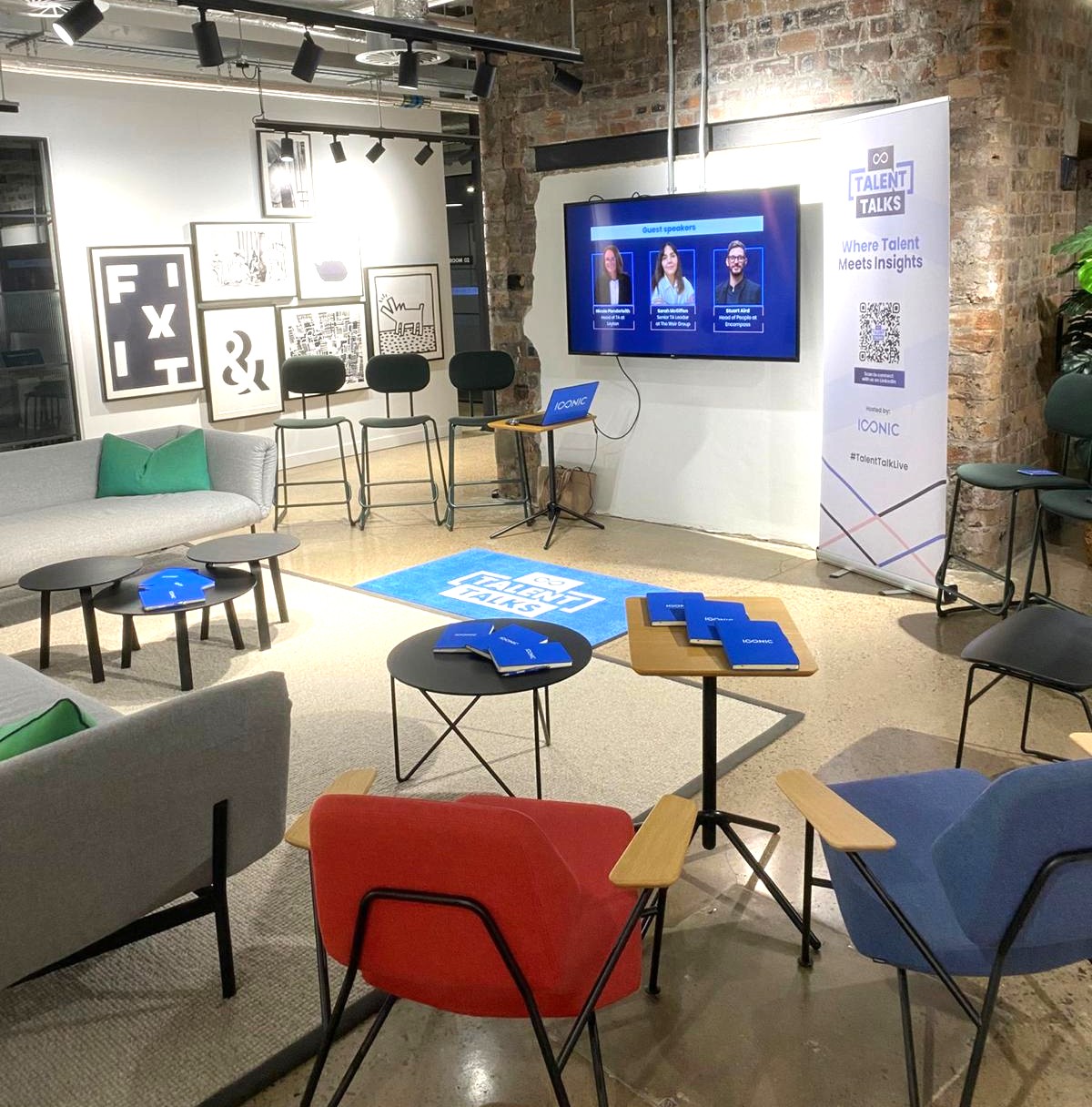
A huge thank you to everyone who has helped make the first year of Talent Talks what it is. To our speakers and panellists, Stuart Aird, Nicola Plenderleith, Sarah McGiffen, Lindsay Winter, Emma Whyte, Bernadette Johnston, Yvette Wilkie, Adam Gordon and Euan McNair, thank you for sharing your experiences so openly, bringing different perspectives into the room and helping us get conversations started that go beyond the usual talking points. Your willingness to share not just what has worked, but the challenges and realities behind it, is a big part of what makes these sessions valuable.
And to everyone who has attended, contributed to the discussions, challenged a viewpoint, suggested a topic or recommended someone to get involved, thank you. You’ve helped shape the community, given us plenty to think about and shown us the value of creating space for people in Talent to learn from one another.
Over to you again…
Got a Talent challenge you think the room should be talking about? Know someone who would make a brilliant speaker? Or have an idea for how we could make Talent Talks even better? We’d love to hear from you. After all, it’s your conversations that will shape the next chapter.